
Discussion Board Posts: Participating in Digital Academic Discourse
Online discussion boards have become central to contemporary education. They extend classroom conversation beyond physical walls and scheduled hours, creating spaces where students process ideas, challenge assumptions, and build intellectual community asynchronously. Yet many students approach these assignments mechanically—posting minimum words by deadline without genuine engagement. This undermines both learning outcomes and the collaborative potential of digital forums.
Understanding how to craft discussion posts that advance collective understanding transforms a routine obligation into a meaningful intellectual exercise.
Recognizing the Genre
Discussion posts occupy a middle ground between informal conversation and formal academic writing. They should be more structured than text messages or social media comments, yet more conversational than research papers. The tone is professional but accessible, informed but not pedantic.
Your audience includes peers at varying levels of preparation and instructors evaluating your contribution. Write to be understood by both, avoiding unnecessary jargon while demonstrating command of course concepts.
Structuring for Impact
Effective posts follow discernible organization without a rigid formula. Consider this flexible framework:
| Element | Purpose | Execution |
| Opening move | Establish your entry point | Reference the prompt, prior discussion, or course material you are engaging |
| Substantive contribution | Present your analysis, evidence, or perspective | Develop one clear idea with specific examples or citations |
| Connection | Link to broader context | Relate your point to course themes, previous modules, or external developments |
| Invitation | Extend the conversation | Pose genuine questions or identify implications for further consideration |
This structure ensures your post contributes substantively while inviting continued dialogue.
Moving Beyond Agreement
The least valuable discussion posts express unqualified agreement. “Great point, I totally agree” adds nothing to collective understanding. Even supportive responses should extend, complicate, or apply the ideas being engaged.
Consider these alternative moves:
- Extension: Connect the post to additional evidence, related concepts, or unexamined implications
- Complication: Introduce counter-evidence, alternative interpretations, or limiting conditions
- Application: Propose how the idea might operate in different contexts or address specific cases
- Synthesis: Identify patterns across multiple posts or reconcile seemingly contradictory perspectives
These moves demonstrate critical thinking and generate momentum for ongoing discussion.
Citing with Context
Discussion posts require attribution, but citations function differently from those in formal papers. Rather than parenthetical references or footnotes, integrate sources conversationally:
- “As Rodriguez argues in this week’s reading, structural factors shape individual choice more than we typically acknowledge…”
- “The data Chen presents challenges the assumption that…”
- “Drawing on the documentary we viewed, I would suggest…”
This integration demonstrates you have engaged assigned materials while maintaining accessible prose. Include full citations only when quoting directly or when your instructor specifically requires formal documentation.
Timing and Presence
Discussion boards are asynchronous, but timing matters. Early posts shape the conversation’s direction; later posts respond to developed themes. Both positions offer advantages. Early contributors set agendas; late contributors synthesize and evaluate.
Regardless of timing, maintain presence throughout the discussion period. Return to read peer responses to your post. Reply to those who engage your ideas. This sustained participation models the ongoing dialogue that discussion boards are designed to facilitate.
Netiquette and Professional Conduct
Digital communication lacks paralinguistic cues—tone of voice, facial expression, body language—that facilitate interpretation. This ambiguity requires explicit care.
- Disagree with ideas, not persons. “This interpretation overlooks…” not “You clearly don’t understand…”
- Avoid absolute statements when qualification is appropriate. “The evidence suggests…” rather than “This proves…”
- Use inclusive language that respects diverse backgrounds and perspectives
- Proofread before posting; errors distract from substance and diminish credibility
Remember that discussion boards create permanent records. Write nothing you would not stand behind in person or attribute publicly.
FAQ
How long should my posts be?
Most instructors specify word counts ranging from 150 to 300 words for initial posts, shorter for responses. Prioritize substance over length. A concise, insightful 200-word post outperforms a rambling 400-word equivalent.
Should I respond to everyone who replies to my post?
Respond to substantive engagement that advances the conversation. Acknowledge clarification questions or requests for elaboration. You need not reply to mere agreement or repetitive comments.
What if my perspective differs significantly from my classmates’?
Diverse perspectives enrich discussion. Present your view respectfully, with evidence and reasoning. Avoid dismissive or confrontational framing. Genuine intellectual pluralism strengthens collective learning.
How do I handle discussion prompts that seem repetitive?
Find fresh angles. Apply concepts to current events. Connect to previous courses or personal experience analytically. Engage with peers whose interpretations differ from yours. Depth of engagement varies even when surface topics recur.
Is it acceptable to revise my post after submitting?
Policies vary by instructor. Some permit editing until deadlines; others lock posts upon submission to preserve conversational integrity. Clarify expectations in advance. If revision is permitted, use it for genuine improvement, not merely to address peer criticism defensively.
How do I demonstrate critical thinking without seeming negative?
Critical thinking examines assumptions, evaluates evidence, and considers alternatives—not simply criticizes. Frame your analysis as exploration: “An alternative interpretation might be…” or “What if we considered this from…”
For specialized guidance on discussion board participation, visit https://www.ozessay.com.au/discussion-post/
Final Word
Discussion boards, when approached with intention, develop capacities essential for contemporary knowledge work: concise argumentation, asynchronous collaboration, and constructive engagement with diverse perspectives. Master this genre, and you prepare for professional communication in increasingly distributed workplaces.

Related Posts
Computer Science Assignments: From Concept to Implementation
Sociology Papers: Reading Society Through a Disciplinary Lens
College Paper Types: A Practical Guide for Student Writers

How to Remove Wallpaper – Steamer, Liquid Solvent, and Fabric Softener Methods

Can You Paint Over Wallpaper?

How to Make a Live Wallpaper on Your Android Device
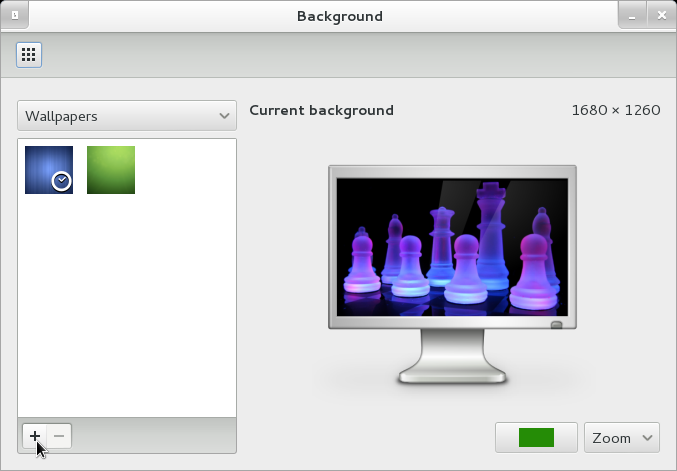
How to Change Wallpaper on Chromebook
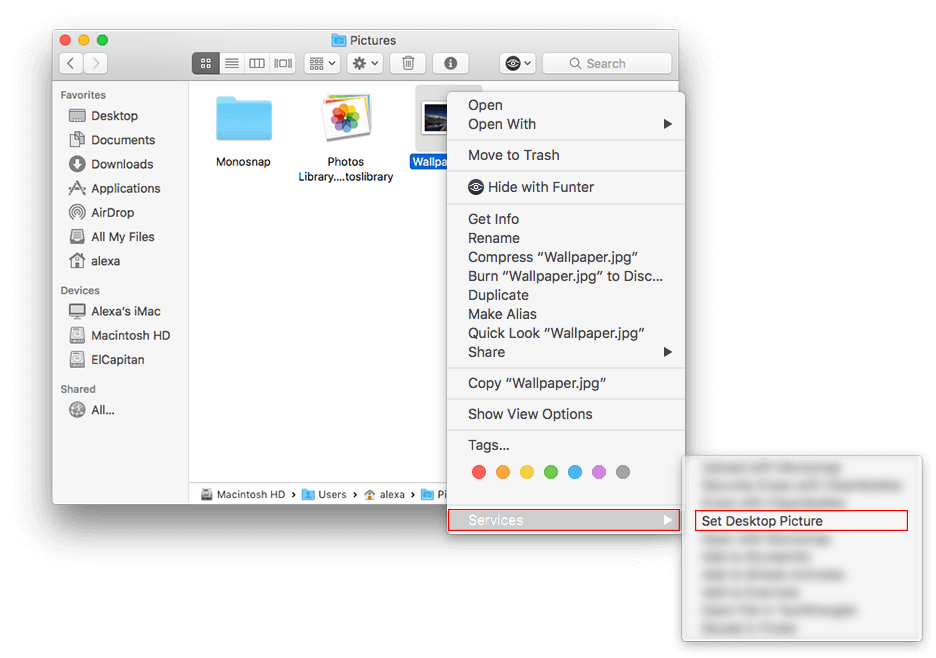
How to Change Wallpaper on Mac

Don’t Touch My Phone!